
Bathrooms Designed for Long-Term Independence
Accessible bathroom remodeling in Newport News for safer layouts that support aging in place and ease of use
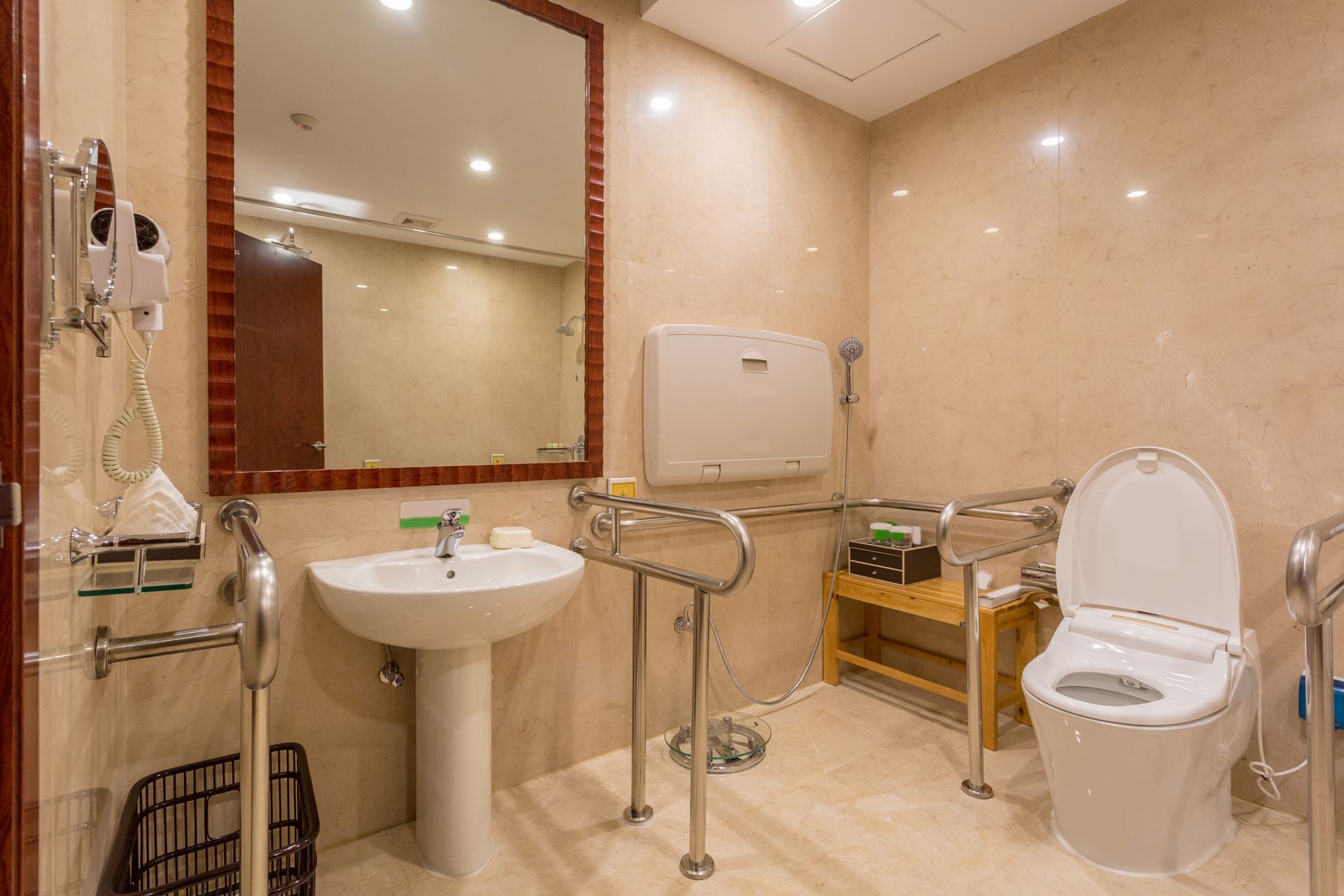
Accessible bathroom remodeling reconfigures the space to accommodate wheelchairs, walkers, or limited mobility while maintaining functionality for all household members. The work involves widening doorways to at least 32 inches clear width, installing roll-in showers with barrier-free entries, relocating fixtures to create maneuvering clearance, and adding support structures like grab bars anchored into blocking rather than just drywall. 24 Hours Tubs & Showers completes these modifications in Newport News homes where current layouts create obstacles to safe, independent bathroom use. Toilets get repositioned to provide side transfer space, vanities get replaced with wall-hung sinks that allow wheelchair access underneath, and flooring gets leveled to eliminate tripping hazards at transitions.
The remodel starts with measuring current clearances and identifying which walls need modification to meet accessibility requirements. A bathroom that works for standing users often fails when someone needs to approach fixtures from a seated position in a wheelchair or requires space to pivot a walker. The process includes removing non-accessible fixtures, reinforcing walls where grab bars will mount, and installing new systems positioned for reach and use from various heights and approaches.
Request a consultation to review how your current bathroom can be modified for better accessibility and long-term use.
The Difference Between Standard and Accessible Bathrooms
Accessible remodeling requires blocking installed between studs at specific heights before drywall goes up, providing solid anchoring points for grab bars that must support significant force during transfers or slips. Standard construction rarely includes this blocking, so walls often need to be opened, reinforced, and closed again. Shower controls get positioned within reach from both seated and standing positions, typically 38 to 48 inches above the floor, and must operate with a closed fist rather than requiring fine motor control to twist small knobs.
You'll notice the remodeled bathroom allows easier turning and positioning because clearances meet minimums that accommodate mobility devices, fixtures respond to operation without requiring grip strength or dexterity, and transitions between surfaces happen without level changes that catch wheels or create tripping points. Wall-hung toilets at accessible heights reduce strain during transfers, while handheld showerheads on slide bars adjust to any user's preference without permanent mounting that serves only one height.
The remodel may include replacing standard hinged doors with pocket doors that don't swing into the bathroom and consume floor space needed for maneuvering, though this depends on wall construction and whether plumbing or electrical runs through the wall where the pocket would go. Lighting gets improved to reduce shadows that make depth perception difficult, and slip-resistant flooring replaces tile that becomes hazardous when wet.
Accessible Bathroom Remodeling
ADA Bathroom Upgrades
Senior-Friendly Bathroom Design
Bathroom Safety Upgrades
Grab Bar Installation
Accessible Shower Design
Barrier-Free Showers
Answers to Frequent Service Questions
Planning for accessible bathroom modifications raises questions about requirements, costs, and how changes affect daily use for everyone in the household.
What makes a bathroom truly accessible versus just having grab bars?
True accessibility addresses clearances for maneuvering mobility devices, fixture heights that accommodate seated users, controls positioned within reach ranges, and entries without barriers—grab bars alone don't make a bathroom accessible if someone can't physically enter the space or reach the fixtures.
How much space does an accessible bathroom require?
Minimum accessible bathrooms need roughly 30 by 48 inches of clear floor space at each fixture for approach and use, plus 60-inch diameter turning circles or T-shaped turning space, though these minimums feel tight—more space improves usability significantly.
Can accessible features work for users without mobility limitations?
Well-designed accessible bathrooms function better for everyone—handheld showerheads serve multiple heights, lever faucets operate easily even with soapy hands, and curbless showers eliminate tripping hazards and simplify cleaning.
Do accessible bathroom remodels affect home resale value?
Accessible features increasingly attract buyers planning to age in place, though very specific modifications like ceiling-mounted lifts may appeal to narrower markets—focusing on universal design elements provides broader appeal while maintaining accessibility.
What building requirements apply to accessible bathroom remodeling in Newport News?
While private homes don't require ADA compliance, following those standards ensures features actually function accessibly—Virginia building code does require basic safety features like GFCI protection and proper ventilation regardless of accessibility modifications.
Accessible bathroom remodeling involves more structural work than cosmetic updates, but the result is a space that supports safe, independent use for years ahead. 24 Hours Tubs & Showers provides detailed planning that accounts for both current needs and future considerations. Contact us to discuss specific modifications suited to your household and space constraints.