
Accessible Shower & Tub Remodeling
ADA Bathroom Upgrades
Senior-Friendly Bathroom Design
Bathroom Safety Upgrades
Grab Bar Installation
Accessible Shower Design
Barrier-Free Showers
Ez Access Showers
Safer Entry for Daily Bathroom Use
Easy access showers and tubs in Newport News for low-entry solutions that reduce fall risks and improve independence
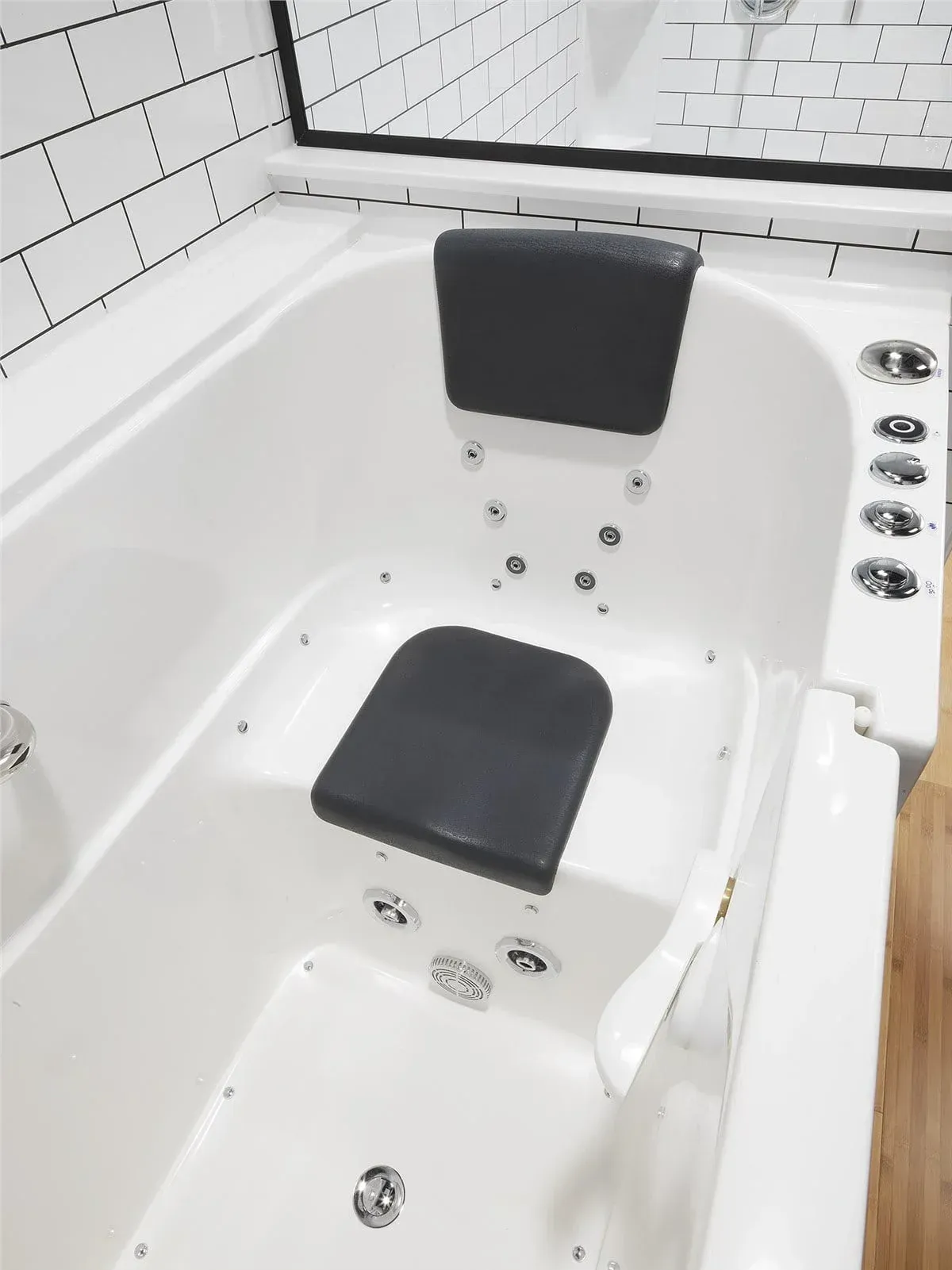
Standard tubs with high walls create fall hazards every time you step over the edge, particularly when wet surfaces reduce traction. EZ-access showers and tubs eliminate that barrier by lowering entry points to just a few inches above the floor or removing the threshold entirely. 24 Hours Tubs & Showers installs these systems in Newport News homes where mobility limitations, balance concerns, or long-term planning make safer bathroom access necessary. The modifications range from walk-in showers with minimal curbs to tubs with built-in doors that swing open, allowing you to step in at floor level before sealing and filling.
Walk-in showers work by sloping the bathroom floor itself toward a linear drain, eliminating the need for a raised pan that creates a stepping obstacle. Walk-in tubs use a sealed door in the tub wall, letting you enter while it's empty, then close the door and fill the tub for bathing. Both approaches require proper installation to prevent leaks—walk-in showers need waterproofing that extends well beyond the shower area, while walk-in tubs depend on door seals that compress tightly when the latch engages.
Arrange an on-site consultation to review which access solution fits your bathroom layout and mobility needs.
What You Notice Once Installation Is Finished
Installation begins with removing the existing tub or shower, modifying plumbing rough-in if drain locations need to change, and preparing the subfloor to support the new unit's weight distribution. Walk-in tubs weigh significantly more when filled with water and a person than standard tubs, sometimes requiring additional floor support beneath the installation area. The new unit goes in with careful attention to leveling and sealing, as even minor gaps around walk-in tub doors will cause leaks once the tub fills.
After installation, entering and exiting the shower becomes safer because you're no longer lifting your leg over a high threshold while balancing on one foot on a potentially wet floor. Walk-in tubs let you sit while bathing rather than standing in a shower, which helps if standing for extended periods causes fatigue or balance problems. Grab bars installed during the modification provide secure hand placements for stability during transfers.
The systems include anti-slip flooring surfaces within the shower or tub area, though you'll still want to ensure bathroom floors outside the unit remain dry to prevent slips during entry and exit. Walk-in tubs require waiting for the tub to fill after entering and to drain before exiting, which adds time compared to standard bathing but provides seated bathing that's not possible with traditional tub designs.
What Property Owners Usually Ask
Homeowners considering access modifications typically ask about differences between options, installation requirements, and how the systems function long-term.
What's the difference between a walk-in shower and a standard low-threshold shower?
Walk-in showers typically have curbs under two inches high or use a curbless design with floor slope alone, while low-threshold showers may have three to four inch curbs—still lower than standard six-inch curbs but not as accessible for wheelchairs or walkers.
How do walk-in tub doors prevent leaking?
The door includes a seal that compresses against the tub frame when you close the latch, similar to a refrigerator door gasket, creating a watertight barrier that holds as long as the seal remains in good condition and the door stays latched during use.
Can these systems be installed in small bathrooms?
Walk-in showers often work better in tight spaces than walk-in tubs because they don't require additional clearance for door swing, though layout depends on where existing plumbing is located and whether walls can be modified to create needed space.
What happens if the door seal on a walk-in tub fails?
Water will leak onto the bathroom floor when the tub fills, requiring immediate seal replacement—keeping the seal clean and checking it periodically for cracks or compression loss prevents failures and extends seal life.
Do Newport News building codes affect walk-in shower installation?
Curbless showers require waterproofing that extends at least three feet beyond the shower area in all directions to prevent water migration into adjacent rooms, and proper floor slope must direct water toward the drain even if users don't close a shower curtain or door completely.
24 Hours Tubs & Showers evaluates your current bathroom layout to determine which access solution provides the safety improvements you need without requiring structural changes that would extend the project significantly. Schedule a consultation to review specific options based on your space and requirements.