
Code-Informed Modifications for Safer Access
ADA bathroom upgrades in Newport News for improved accessibility, safety features, and long-term usability
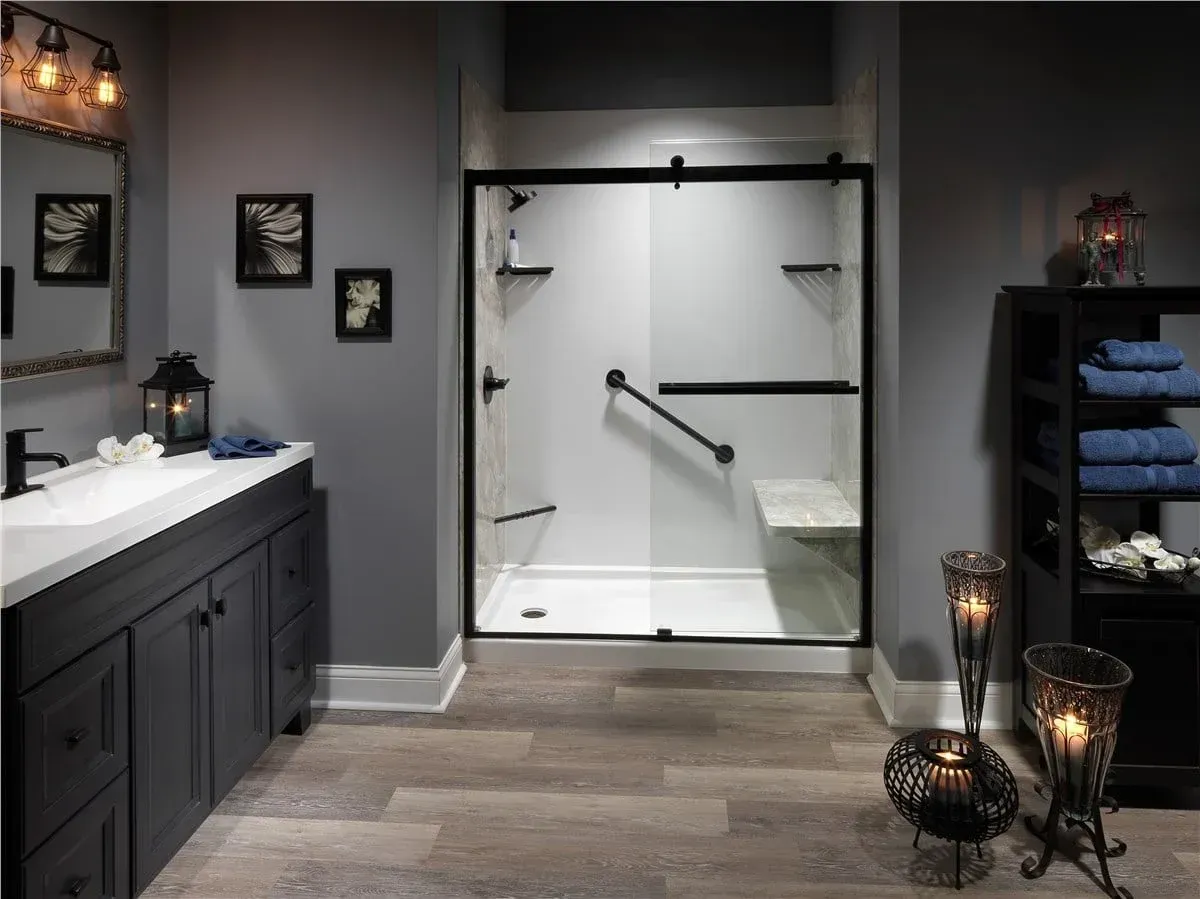
High humidity in coastal Virginia causes grab bar anchors to corrode if mounting hardware isn't stainless steel or properly sealed, which matters when those bars must support sudden body weight during a slip. ADA bathroom upgrades address this by using corrosion-resistant materials and proper installation techniques even in private homes where code compliance isn't legally required. 24 Hours Tubs & Showers applies ADA standards to residential bathroom modifications in Newport News because those guidelines represent proven accessibility solutions—specified heights for grab bars, clearance requirements around fixtures, and control placement ranges all come from extensive research into what actually works for users with various mobility limitations. You end up with grab bars anchored into solid blocking at 33 to 36 inches above the floor, toilet heights between 17 and 19 inches that reduce strain during transfers, and lever-style controls that operate without grip strength.
The upgrade process identifies which ADA features address your specific needs, then modifies the bathroom to incorporate those elements. Not every home requires full ADA compliance, but individual features like a roll-in shower, properly positioned grab bars, or a comfort-height toilet can improve safety and independence without full-scale renovation. Installation includes wall reinforcement where needed, fixture replacement with accessible models, and adjustments to clearances that currently create obstacles.
Schedule a property evaluation to identify which ADA-informed modifications would improve your bathroom's safety and accessibility.
What ADA Bathroom Upgrades Actually Accomplish
ADA upgrades begin with assessing current fixture positions and clearances against accessibility standards, identifying gaps, and planning modifications that address the most critical safety concerns first. Grab bars get installed on reinforced walls near toilets, in showers, and along tub edges where users need support during transfers or standing. Shower seats mount at 17 to 19 inches high—the same transfer height as the wheelchair seat—and extend the full depth of the shower to provide stable seating.
After upgrades complete, you'll notice fixtures positioned within easier reach, controls that operate smoothly without requiring both hands or significant force, and support structures exactly where you need them during transfers and movement. Faucets with lever handles or touchless sensors replace round knobs that twist, reducing the dexterity needed for operation. The bathroom becomes safer not through cosmetic changes but through functional repositioning and reinforcement of the elements you interact with daily.
Upgrades can be phased over time rather than completed all at once—starting with grab bars and control replacements addresses immediate safety concerns, while layout changes involving fixture relocation or doorway widening can happen later as needs change or budgets allow. Each modification improves usability independently, though combining multiple features creates the most accessible result.
Accessible Shower & Tub Remodeling
ADA Bathroom Upgrades
Senior-Friendly Bathroom Design
Bathroom Safety Upgrades
Grab Bar Installation
Accessible Shower Design
Barrier-Free Showers
Ez Access Showers
Common Questions About This Service
Homeowners considering ADA-informed upgrades ask about which modifications provide the most benefit, what installation involves, and how features affect long-term home use.
What's the most important ADA upgrade for bathroom safety?
Properly installed grab bars near the toilet and in the shower prevent the majority of bathroom falls, but only if anchored into blocking capable of supporting 250 pounds of force in any direction—bars screwed into drywall alone will pull out when you need them most.
Do ADA upgrades require tearing out the entire bathroom?
Many ADA features can be added to existing bathrooms without full demolition—grab bars install through wall access or by opening small sections for blocking, comfort-height toilets replace standard models directly, and lever faucets swap onto existing supply connections.
How do ADA toilet heights compare to standard toilets?
Standard toilets sit 15 to 16 inches from floor to seat, while ADA-compliant comfort-height toilets measure 17 to 19 inches—the higher position reduces the distance users must lower and raise themselves, making transfers easier for people with limited leg strength or knee problems.
Can ADA features be installed in small bathrooms?
ADA clearance requirements assume wheelchair access, which needs significant space, but individual ADA features like grab bars, accessible controls, and comfort-height fixtures improve safety in bathrooms of any size even if full clearances aren't achievable.
What bathroom modifications help most with aging in place in Newport News?
Grab bars, curbless or low-threshold showers, comfort-height toilets, and slip-resistant flooring address the most common mobility and safety concerns, while handheld showerheads and lever faucets improve usability as dexterity decreases over time.
ADA bathroom upgrades provide functional improvements based on tested accessibility standards, creating safer spaces that support independence longer. 24 Hours Tubs & Showers evaluates your current bathroom to recommend specific modifications that address your priorities and fit within your space constraints. Arrange a consultation to discuss which upgrades make the most sense for your situation and timeline.